
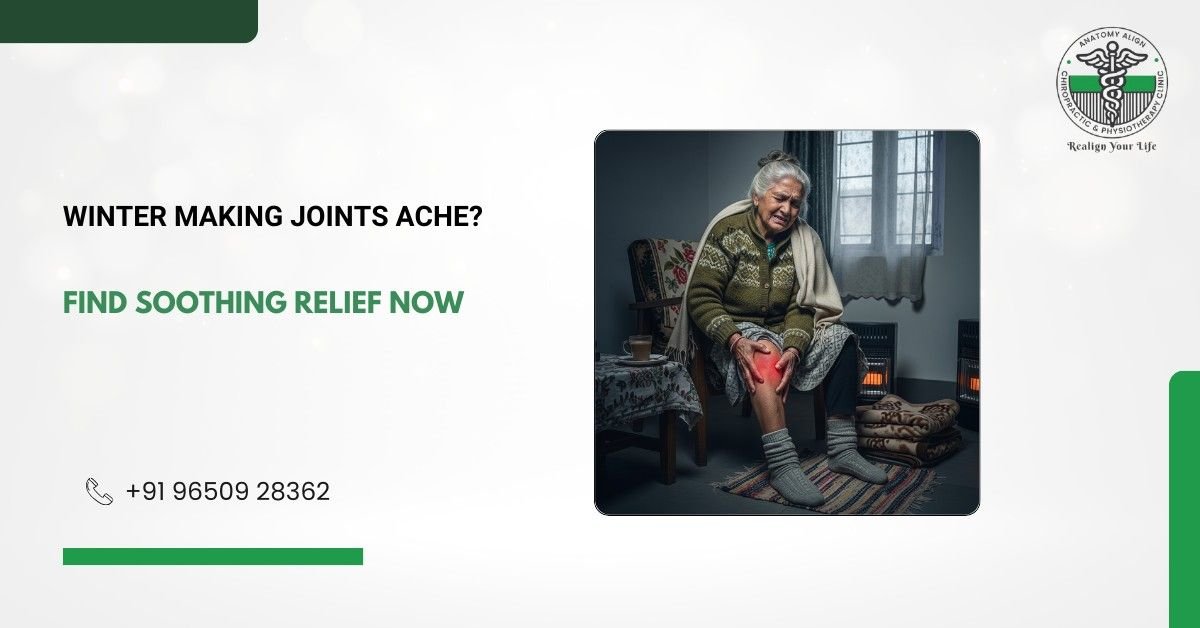
As temperatures drop, many seniors notice their joints becoming stiffer, achier, and more sensitive than usual. Winter often intensifies pre-existing joint issues, affecting mobility, comfort, and independence. Understanding why this happens and how chiropractic care can help empower older adults to stay active through the colder months. Anatomy Align, a trusted Chiropractic Clinic in Ghaziabad can play a key role in providing relief and improving overall joint health.
Why Winter Makes Joint Pain Worse for Older Adults
Thickened Joint Lubrication
Cold weather can cause synovial fluid-the natural lubricant inside joints—to become thicker. This reduces smooth movement, making joints feel heavy, stiff, and painful.
Barometric Pressure Drops
Sudden changes in atmospheric pressure can cause joint tissues to expand slightly. In older adults with sensitive or damaged joints, this can trigger pain and inflammation.
Reduced Blood Flow
Low temperatures constrict blood vessels, decreasing circulation to hands, knees, and feet. Limited blood flow makes joints feel colder, stiffer, and more uncomfortable.
Increased Pain Sensitivity
Some studies suggest that cold weather amplifies pain receptors, making discomfort more noticeable during winter.
Why Elderly People Are More Vulnerable
Natural Wear and Tear
As cartilage deteriorates with age, bones lose their cushioning. Cold weather intensifies friction between bones, leading to sharp or persistent joint pain.
Existing Conditions Like Arthritis
Osteoarthritis, rheumatoid arthritis, and gout commonly flare up in winter. The cold can worsen swelling, stiffness, and limited motion.
Lower Activity Levels
Winter often leads to reduced outdoor movement. Sitting for long periods weakens supporting muscles and makes joints more rigid.
The Emotional Toll of Winter Joint Pain
Joint pain is not only physical. Limited mobility and persistent discomfort can affect mental well-being. Many seniors feel frustrated, anxious, or even depressed when winter restricts their independence. Social isolation during colder months may intensify these feelings.
Practical Ways to Reduce Winter Joint Pain
Stay warm with layered clothing, heating pads, and a cozy home. Move daily with indoor walks, yoga, or physiotherapy-guided exercises. Eat a joint-friendly diet rich in omega-3s, greens, and turmeric, and stay hydrated. Use supportive tools like orthopedic footwear. Maintain a healthy weight and quit smoking to reduce inflammation. Heat therapy, warm compresses, and gentle massage help ease stiffness and boost circulation.
When It’s Time to Seek Professional Help
Seek medical attention if you experience:
- Severe pain that persists despite home care
- Swelling, redness, or heat around a joint
- Difficulty performing daily activities
- Pain accompanied by fever or fatigue
Professional Treatment Options May Include:
- Physiotherapy for improving strength and mobility
- Medications to manage inflammation
- Targeted injections for pain relief
Stay Emotionally and Socially Active
Winter wellness includes emotional health. Seniors can benefit from:
- Joining group exercise programs
- Engaging in light hobbies that bring joy
- Staying connected with family and friends
- Gentle outdoor activity on sunny days to boost mood and vitamin D
Conclusion: Stay Active, Stay Warm, Stay Pain-Free
Winter doesn’t have to limit life for older adults. Understanding how cold weather affects joints and taking proactive steps to protect them, can make the season far more comfortable. Simple habits like staying warm, eating anti-inflammatory foods, and exercising regularly play a powerful role in keeping joints healthy.
Pairing these strategies with expert care from Anatomy Align, a trusted Chiropractic Clinic in Ghaziabad ensures safe, effective, and long-term relief from winter-related joint pain.